IDEAS THAT MOVE
BRANDS FORWARD
AI marketing strategy, social media playbooks, SEO/GEO/AIO guides, and digital growth thinking — written for regional Australian business owners.
SEO Agency vs Internal SEO Team: Which Model Works for Established Businesses?
Agency, in-house team, or a blend of both? For an established business, the right SEO operating model depends on how much specialist work you need, how deep your product knowledge sits internally, and how you want accountability structured. This guide weighs the trade-offs honestly.
When Should a Growing Business Hire an SEO Agency?
There is a right time to bring in an SEO agency, and it is rarely the moment you first think about rankings. This guide sets out the practical signals that tell a growing business it has outgrown a do-it-yourself approach and is ready to invest in specialist help.
SEO ROI for Established Businesses: How to Measure Revenue, Not Rankings
Rankings are an input, not an outcome. For established businesses, the only SEO measure that matters to a board is commercial return. This guide shows how to connect organic search to revenue, pipeline and margin so you can judge the channel on the numbers that actually move the business.
How Much Should a $1M+ Business Invest in SEO in Australia?
For established Australian businesses turning over $1M or more, SEO is no longer a discretionary line item but a core commercial channel. This guide explains how to think about SEO investment as a function of revenue, margin and growth ambition, and how to set a budget that reflects your market rather than a competitor's.
Why Technical Product Knowledge Is One of Your Strongest SEO Assets
The technical product knowledge inside your business is a defensible SEO advantage competitors cannot copy. Here is how established Western Sydney manufacturers can put it to work.
How Manufacturers Can Rank for Non-Branded Searches
Most new manufacturing buyers search without knowing your name. Here is how established Western Sydney manufacturers can rank for non-branded, high-intent searches and reach buyers who have never heard of them.
Manufacturing SEO: Product Pages vs Capability Pages vs Industry Pages
Product, capability and industry pages each serve a different buyer intent. Here is how manufacturers should use all three to build topical authority and capture qualified demand.
The Hidden SEO Value Inside a Manufacturer's Product Catalogue
A manufacturer's product catalogue is often its most underused SEO asset. Here is how to unlock the search and AI visibility hidden inside your catalogue and turn it into qualified enquiries.
The SEO Opportunity in Industry Standards and Product Compliance Content
Standards numbers are searched constantly by the people who decide what gets specified. Explaining them properly is one of the last genuinely uncontested opportunities in Australian B2B search.
Why Your Competitor Ranks Above You Even When Your Manufacturing Business Is Bigger
Size does not decide search rankings. Here is why a smaller competitor can outrank your larger manufacturing business, and what established Western Sydney firms can do about it.
How Warranty, Compliance and Certification Content Can Support Organic Discovery
Warranty terms, certifications and compliance details are usually buried in a PDF or a footer link. Published properly, they answer high-intent questions and provide the external validation AI systems look for.
How B2B Buyers Find Manufacturers Before They Contact a Sales Team
Most B2B buyers research and shortlist manufacturers long before they ever speak to sales. Here is how that hidden journey works and how Western Sydney manufacturers can influence it.
The Search Opportunity Inside Installation, Maintenance and Support Questions
Post-purchase questions are treated as a service cost and almost never published. They are in fact a large, uncontested source of search demand that reaches buyers at exactly the right moment.
SEO for Distributors: How to Capture Buyers Searching for Products, Brands and Suppliers
Distributors compete for buyers searching by product, brand and supplier. Here is how to build search and AI visibility around the brands you stock and win qualified enquiries in Western Sydney.
How “Alternative To” Searches Create Opportunities for Established Brands
When buyers search for an alternative to a product, they have already decided to switch. For established businesses with genuine substance behind them, this is some of the most valuable demand available.
SEO for Industrial Companies: How to Turn Technical Expertise Into Search Demand
Industrial companies sit on deep technical expertise that rarely reaches the web. Here is how to convert that knowledge into search demand and qualified B2B enquiries across Western Sydney.
Why Established Western Sydney Businesses Still Struggle to Generate Qualified Leads From Google
Many established Western Sydney businesses rank on Google yet still struggle for qualified leads. Here is why traffic does not equal enquiries, and how to fix the gap between visibility and pipeline.
SEO for Manufacturers in Western Sydney: A Practical Growth Guide for 2026
A practical 2026 SEO guide for established Western Sydney manufacturers who want qualified enquiries, not vanity traffic. Learn how to turn technical capability into search and AI visibility that reaches real B2B buyers.
How Case Studies Strengthen Search Authority for Product-Based Businesses
For product businesses, case studies do far more than reassure buyers. They create the application-level evidence that connects your products to real problems, industries and search demand.
How to Identify High-Value Search Queries Without Relying on Keyword Volume Alone
Search volume is a poor guide to value in B2B. Learn how to identify the queries that actually produce enquiries using evidence you already have.
Manufacturer vs Distributor SEO: Who Should Own the Search Result?
Manufacturers and distributors often compete for the same searches. Learn how to divide search territory so each party wins the results it is best placed to serve.
The SEO Value of Applications, Use Cases and Industries Served
Buyers often search by problem, not product. Learn why applications, use cases and industries served are among the most valuable content a B2B website can publish.
How to Turn Technical Specifications Into Searchable Commercial Content
Specification sheets hold the answers buyers search for. Learn how to turn technical data into readable, searchable commercial content that generates enquiries.
Search Intent Mapping for Complex B2B Product Ranges
Complex B2B ranges attract many different search intents. Learn how to map intent across a large catalogue so every page has a clear commercial purpose.
How Search Demand Changes Between Procurement, Research and Purchase
Search demand looks very different at the procurement, research and purchase stages. Learn how intent shifts across the B2B buying journey and how to respond.
Why Brand Searches Matter More Than Ever for Established B2B Companies
Brand searches are one of the clearest signals of commercial intent for established B2B companies. Here is why they matter more than ever, and how to measure and grow them.
How to Monitor Changes in Search Results Across Your Most Important Product Terms
Tracking your ranking position is not the same as monitoring the search result. This guide explains how to watch the results across your most important product terms, what to record and how to turn that observation into useful decisions.
How New Entrants Can Change the Search Landscape for Established Product Brands
Established product brands often assume their search position is secure. New entrants can change that quietly, long before it shows up in enquiries or revenue. This guide explains how the search landscape shifts when newcomers arrive and how to respond without overreacting.
How to Build a Search Performance Dashboard for a Manufacturing Business
A search dashboard should tell a manufacturer whether the website is winning work. Here is how to build one around enquiries, buyer intent and commercial demand.
Why Fact-Checking Became a Marketing Function in the Generative AI Era
Fact-checking was once a journalistic discipline. In the generative AI era it became a core marketing function. This guide explains why, and how to build it in.
How Human Expertise Can Differentiate a Manufacturing Website From AI-Generated Competitors
As competitors flood the web with AI-generated content, human expertise became a manufacturer's clearest differentiator. Here is how to put it to work on your website.
Why Generic AI-Written Content Was a Weak Strategy for Industrial Businesses
Generic AI-written content looked efficient but rarely worked for industrial businesses. This guide explains why it fell short and what a stronger approach looked like.
How to Turn Engineering Knowledge Into High-Authority Digital Resources
Engineering teams hold deep knowledge that rarely reaches the website. This guide shows how to turn that expertise into high-authority digital resources.
The Importance of Original Images, Testing and Demonstrations in AI-Era Content
AI can generate words but not genuine proof. This guide explains why original images, testing and demonstrations became vital evidence for manufacturers in the AI era.
Why First-Hand Business Experience Became More Valuable in AI-Era Content
As AI made generic content abundant, first-hand experience became the scarce ingredient that set content apart. Here is why it mattered so much for manufacturers.
How AI Changed the Expectations for Business Content Quality in 2024
AI made average content cheap and abundant, raising the bar for what counted as quality. Here is what B2B businesses needed to understand about the new standard.
The New Digital Research Journey for High-Consideration B2B Purchases
High-consideration B2B purchases now involve a long, distributed digital research journey. This guide helps industrial businesses map it and show up where it counts.
How Searchers Moved Between Google, YouTube, Reddit and AI Tools During the Buying Journey
B2B buyers no longer research in one place. This guide maps how searchers moved between Google, YouTube, Reddit and AI tools, and what it meant for visibility.
How Businesses Could Prepare for Google's AI-Powered Search Experience
A practical guide for B2B and product businesses on preparing for Google's AI-powered search experience in 2024, focused on durable actions rather than guesswork.
What Your Most Difficult Customer Questions Reveal About Your Search Strategy
Your hardest customer questions are a diagnostic tool. Learn what they reveal about content gaps, unmet demand and where your search strategy is failing.
How Product-Specific Evidence Can Reduce Pre-Sales Questions
Recurring pre-sales questions are a content roadmap. Learn how product-specific evidence answers them in advance, freeing your team and improving lead quality.
The Role of Manufacturing Examples in Helping Buyers Assess Supplier Fit
Buyers judge fit before they commit. Learn how real manufacturing examples help buyers see themselves in your work and conclude you are the right supplier.
How Businesses Can Turn Difficult Product Requirements Into Searchable Content
Difficult requirements signal unmet demand and few good answers. Learn how to turn the hard problems you solve into defensible, high-intent searchable content.
Why "Can You Make This?" Is a Valuable Search Intent for Manufacturers
The "can you make this?" question signals a buyer ready to source. Learn why this search intent is so valuable and how to build content that captures it.
How to Explain Manufacturing Limitations Without Losing Potential Customers
Hiding limitations costs more customers than it wins. Learn how to explain manufacturing limitations honestly so you build trust and attract better-fit buyers.
The Digital Search Opportunity Around Custom Manufacturing Requirements
Custom manufacturing searches are highly qualified and often overlooked. Learn how to build capability-led content that captures bespoke, high-intent demand.
How Manufacturing Method Searches Can Bring Higher-Intent Visitors
Buyers who search by manufacturing method know what they need. Learn how process-led content captures higher-intent visitors close to a purchase decision.
Why Tolerance Information Matters in Digital Product Research
For precision products, tolerance decides suitability. Learn why clear tolerance information attracts qualified buyers and moves them toward a confident purchase.
How Material Information Can Help Product Businesses Capture Qualified Search Demand
Buyers search and decide by material. Learn how to present material information clearly so product businesses capture qualified, high-intent search demand.
The Search Opportunity Hidden Inside Product Dimensions and Specifications
Buyers search by dimension, rating and standard. Learn how to turn product specifications from buried reference data into a high-intent search asset.
How to Make Engineering Drawings Understandable to Non-Technical Buyers
Non-technical decision-makers often approve technical purchases. Learn how to make engineering drawings understandable to them without losing engineering detail.
Why Technical Drawings Can Become Valuable Digital Search Assets
Technical drawings attract precise, high-intent buyers. Learn how to turn drawings locked in PDFs into structured web content that captures qualified demand.
How to Create a Digital Proof-of-Capability System for Industrial Buyers
Stop proving your capability one enquiry at a time. Learn how to build a digital proof-of-capability system that validates you and attracts qualified buyers.
What Production Photos Can Communicate That Written Content Cannot
Authentic production photos prove a real operation in ways words cannot. Learn what images communicate to industrial buyers and why authenticity now matters most.
How to Use Real Manufacturing Evidence to Strengthen Website Credibility
Most manufacturers hold more credibility evidence than they use. Learn how to bring real process, quality and testing evidence online to build lasting trust.
Why Supplier Capability Evidence Matters More Than Marketing Claims
Marketing claims are cheap and identical. Learn why concrete capability evidence builds more buyer trust and stronger search visibility than any claim can.
How Industrial Buyers Use Search to Validate a Supplier Before Contacting Sales
Industrial buyers validate suppliers online before making contact. Learn what they check during this hidden stage and how to make the shortlist every time.
The Difference Between Product Features, Benefits and Buying Criteria
Features describe the product, benefits describe the value, but buying criteria decide the sale. Learn to tell them apart and write content that wins decisions.
How to Build Search Visibility Around the Problems Customers Need to Solve
Customers search for solutions to problems, not for your catalogue. Learn how to build search visibility around the problems your business genuinely solves.
Why Product Applications Can Be More Valuable Than Product Descriptions
A description says what a product is. An application says what it is for. Learn why application content often wins more qualified search demand and buyer trust.
How to Turn Manufacturing Questions Into Commercial Search Opportunities
The questions your customers ask are a map of what your market searches for. Learn how to turn recurring manufacturing questions into commercial search content.
The SEO Value of Showing Real Manufacturing Constraints and Capabilities
Vague capability claims help no one. Learn why showing real manufacturing constraints and capabilities builds trust and creates specific, searchable content.
How to Explain Technical Product Advantages Without Using Marketing Jargon
Marketing jargon undermines trust with technical buyers. Learn how to explain real product advantages in plain, honest language that persuades and ranks well.
Why Product Benefits Should Be Separated From Product Features Online
Features and benefits answer different buyer questions. Learn why separating them clearly online improves readability, search visibility and buying confidence.
How to Build a Website Around the Problems Your Industrial Products Solve
Industrial buyers search by problem, not by product. Learn how to structure a website around the problems your products solve to attract qualified enquiries.
How Manufacturing Lead Capacity Can Become a Competitive Search Advantage
Spare production capacity is often treated as an internal operational metric. Presented clearly online, it can become a search asset that attracts buyers who need dependable supply.
How to Showcase Production Capacity Without Making Unverifiable Claims
Bold capacity claims are easy to make and easy to doubt. Showcasing production capacity credibly means letting evidence do the talking.
Why Manufacturing Capabilities Need to Be Explained in Commercial Language
A list of machines and processes impresses engineers and loses everyone else. Capabilities only persuade when they are translated into commercial value.
How Lead Times Should Be Communicated for Custom Manufacturing Projects
Lead times can make or break a custom project. Communicating them with honesty and clarity is what lets a buyer commit rather than hesitate.
How to Present Custom Product Specifications for Faster Customer Decisions
Specifications should accelerate a decision, not stall it. How custom specs are presented often decides whether a buyer moves quickly or hesitates.
Why Configuration Complexity Can Stop Customers From Completing an Enquiry
A buyer can be sold on a product and still abandon the enquiry, defeated by a configuration process that asked too much before it gave anything back.
How Manufacturers Can Explain Customisation Options Without Overwhelming Buyers
Offering endless customisation can paralyse buyers rather than delight them. The art is presenting choice in a way that guides rather than overwhelms.
The Digital Experience Challenges of Selling Custom-Made Products
Custom-made products resist the tidy templates of standard e-commerce. Selling them well online means solving a very different set of challenges.
How to Make Complex Ordering Requirements Easier to Understand Online
Complex ordering rules do not have to confuse buyers. With the right structure and language, even intricate requirements can feel manageable.
Why Shipping and Delivery Information Belongs in the Digital Buying Journey
Delivery is often treated as a final-step detail. In reality it shapes decisions at every stage of the buying journey, and belongs there too.
How to Present Trade Terms Clearly to Business Customers Online
Trade terms decide whether a business can work with you at all, yet many suppliers bury them. Presenting them clearly turns a hurdle into an invitation.
The Website Information Buyers Need Before Requesting a Bulk Order
A bulk order is a large commitment, and buyers gather a great deal before they ask for one. The suppliers who anticipate that homework win the enquiry.
How to Communicate Minimum Order Quantities Online
A minimum order quantity is not a problem in itself. Hiding it until a buyer has invested time and hope, however, almost always is.
Why Product Availability Information Can Influence Purchase Confidence
A buyer ready to purchase can still hesitate over one unanswered question: can I actually get it? Availability information often decides whether they proceed.
How to Handle “Price on Application” Without Creating Buyer Friction
Price on application has a bad reputation, but the tactic itself is not the problem. How it is handled decides whether it opens a conversation or ends one.
When Should an Industrial Business Publish Prices on Its Website?
Publishing prices is rarely all or nothing for industrial suppliers. The real question is when disclosure helps buyers and when it genuinely does not.
How Transparent Pricing Information Can Improve the B2B Buying Experience
Many B2B suppliers still treat price as a secret to be revealed only on request. That instinct quietly costs them the buyers who value clarity most.
Why Clear Delivery Information Matters Before a Customer Makes Contact
Buyers often decide whether to enquire based on delivery questions you never hear. Answering them early can be the difference between a lead and a lost prospect.
How Businesses Can Use Guarantees, Policies and Commitments to Strengthen Digital Trust
Guarantees and policies are often buried in the fine print, yet handled well they become some of the most persuasive trust signals a business can put online.
The Digital Signals That Help Customers Feel Confident About a New Supplier
Business buyers weigh up a new supplier long before they make contact. The signals your website sends in those quiet minutes often decide whether an enquiry ever arrives.
How to Reduce Uncertainty for Buyers of Expensive Products
Uncertainty is the enemy of a high-value sale. Learn how to reduce doubt for buyers of expensive products so price becomes a reflection of value, not a barrier.
What Information Helps a Procurement Team Compare Potential Suppliers?
Procurement teams compare suppliers on evidence, not enthusiasm. Learn what information helps them evaluate you fairly and how to present it to win competitive deals.
How to Support Internal Decision-Making With Better Digital Sales Materials
Your champion sells for you in rooms you never enter. Learn how to build better digital sales materials that support internal decision-making and win more B2B deals.
Why B2B Customers Often Visit a Website With Multiple People Involved
B2B customers rarely research alone. Learn why multiple people from one organisation visit your website and how to build a site that serves the whole committee.
How to Build a Digital Journey for Buyers Who Need Internal Approval
Many B2B buyers must win internal approval before they can act. Learn how to build a digital journey that equips your champion to persuade the people who decide.
Why High-Consideration Products Need More Than One Digital Touchpoint
High-consideration products cannot be sold in a single visit. Learn why they need multiple connected digital touchpoints to build confidence and win the sale.
How Repeat Website Visits Can Signal a Longer Buying Process
Repeat website visits often signal a long, considered buying process rather than an imminent sale. Learn how to read the pattern and support B2B buyers over time.
What Returning Visitors Can Tell You About Purchase Readiness
Returning visitors reveal a great deal about purchase readiness. Learn how to read return patterns and respond at the right moment to convert ready B2B buyers.
How to Analyse the Customer Journey Before the Final Conversion
Learn how to analyse the customer journey before the final conversion, mapping paths, friction and influence so you win more of the deals that actually matter.
How to Discover Which Website Content Influences Purchasing Decisions
Learn how to discover which website content genuinely influences purchasing decisions, using journey analysis and behaviour to focus your content where it sells.
How to Find the Pages That Influence Your Most Valuable Customers
Learn how to find the website pages that influence your most valuable customers, using journey analysis and customer value to focus your content and budget.
How to Identify Visitors Who Are Most Likely to Become Customers
Learn how to identify the website visitors most likely to become customers using behaviour, intent signals and buyer profiles that guide your marketing focus.
Why High Website Traffic Can Hide Weak Commercial Intent
High website traffic can look like success while hiding weak commercial intent. Learn why big numbers mislead and what to measure instead for real growth.
How to Measure the Quality of Traffic Coming to Your Business Website
Learn how to measure the quality of traffic to your business website, using engagement, intent and analytics signals that reveal which visitors are worth attracting.
How to Build a Sustainable Online Demand Engine Around Your Product Portfolio
Individual campaigns fade. Learn how to build a sustainable online demand engine around your product portfolio that keeps generating enquiries.
The Digital Strategy for Repositioning an Established Product
Repositioning an established product online is delicate work. Learn the digital strategy that shifts perception without losing existing demand.
How to Explain Product Improvements Without Confusing Existing Customers
Product improvements can unsettle loyal customers if handled poorly. Learn how to explain them clearly without causing confusion.
Why Product Version Changes Need a Digital Communication Strategy
A new product version affects customers and search alike. Learn why version changes need a clear digital communication strategy.
How Product Updates Can Create Fresh Reasons for Customers to Revisit Your Website
Product updates are more than internal news. Learn how they create fresh reasons for customers to revisit your website and re-engage.
The Long-Term Search Value of New Product Launch Content
Launch content is often seen as short-lived. Learn why new product launch content holds long-term search value and how to capture it.
How to Extend the Digital Life of a Product Launch After Release Day
Most launches peak then fade. Learn how to extend the digital life of a product launch so it keeps generating enquiries long after release day.
Why Product Launches Often Need More Than a Single Website Announcement
A single announcement rarely does a launch justice. Learn why product launches need a coordinated set of content to reach every buyer.
How to Turn New Product Questions Into Pre-Launch Content
Every new product prompts questions. Learn how to turn those questions into pre-launch content that captures demand and answers buyers before release.
The Role of Beta Customers in Building Digital Product Credibility
Beta customers do more than test a product. Learn how their experience becomes proof that builds digital credibility for a new release.
How Early Customer Feedback Can Improve a Product's Digital Positioning
Early customer feedback is more than product research. Learn how it can sharpen the language, positioning and digital messaging of a new product.
What Customers Search for Before a New Product Reaches the Market
Before a product launches, buyers are already searching. Learn what customers look for ahead of a release and how to meet that demand early.
How to Build an Online Launch Strategy for an Industrial Product
An industrial product launch needs more than an announcement. Here is a practical online launch strategy that builds demand, visibility and qualified enquiries.
Why Pre-Launch Search Demand Matters for New Products
Pre-launch search demand reveals whether buyers are already looking for the problem your new product solves and how to turn that signal into a launch advantage.
How Product Launch Content Can Build Demand Before a New Release
Most launches assume demand already exists. Here is how pre-launch content builds interest, search visibility and momentum before a new product is released.
The Digital Marketing Value of New Product Development Stories
New product development stories often carry more marketing value than the launch itself. Here is why they build buyer confidence, authority and search visibility.
How to Showcase Manufacturing Innovation Without Revealing Confidential Information
You can showcase manufacturing innovation online while protecting your secrets. Here is how to demonstrate capability without exposing confidential information.
Why Innovation Content Matters for Established Industrial Companies
Heritage alone will not keep an established industrial company visible online. Here is why innovation content matters and how to produce it without a big team.
How Research and Development Stories Can Differentiate a Manufacturing Brand
R&D stories are one of the hardest things for competitors to copy. Here is how research and development storytelling differentiates a manufacturing brand online.
The Value of Publishing Product Development Expertise Online
Product development expertise is a defensible marketing asset. Here is why publishing it online builds authority, buyer trust and stronger AI-era search visibility.
How Manufacturing Standards Can Become a Digital Trust Signal
The standards a manufacturer meets are a powerful trust signal online. Here is how to turn compliance and certifications into buyer confidence and search visibility.
Why Quality-Control Information Can Strengthen an Industrial Brand Online
Quality-control information is one of the strongest trust signals an industrial brand has online. Here is how publishing it strengthens credibility, search visibility and AI-driven discovery.
How to Present Product Testing Information to Online Buyers
Product testing information replaces claims with evidence. Learn how to present it clearly to reduce buyer uncertainty and win confident online sales.
The Role of Product Certifications in Digital Buyer Confidence
Product certifications carry independent authority that reassures online buyers. Learn how to present them to build confidence and win qualified sales.
How Honest Product Information Can Strengthen Long-Term Customer Trust
Honest product information turns first-time buyers into loyal customers. Learn how transparency builds durable trust and lasting commercial value.
Why Businesses Should Explain Product Limitations as Well as Advantages
Explaining product limitations alongside advantages builds trust, makes your claims credible and helps buyers make confident, well-matched decisions.
How Integration Information Can Remove Barriers From Complex B2B Purchases
Integration doubt is the hidden barrier that stalls complex B2B deals. Learn how clear integration information removes it and builds buyer confidence.
How to Help Customers Determine Whether a Product Fits Their Existing System
A practical guide to helping online buyers confirm whether a technical product fits their existing system, reducing hesitation and driving enquiries.
Why Product Compatibility Information Matters in Digital Sales
Product compatibility information helps online buyers confirm a fit, reduces uncertainty and turns high-intent searches into qualified enquiries.
How Exploded Views and Technical Illustrations Can Improve Product Understanding
Exploded views and technical illustrations help online buyers understand complex products, reduce uncertainty and order the right part with confidence.
How to Create Product Content That Speaks to Both Technical and Commercial Audiences
Serving technical and commercial audiences is a structural craft, not a single voice. Learn how to create product content that speaks to both.
Why Technical Buyers and Business Buyers Need Different Product Information
Technical buyers and business buyers see the same product differently. Learn why each needs different product information and how to serve both.
How to Translate Technical Product Information Into Commercial Value
Technical businesses are rich in information but poor at translating it. Learn how to turn technical product information into commercial value that sells.
The Difference Between Product Features, Benefits and Business Outcomes
Features, benefits and business outcomes are three distinct levels. Learn the difference and how each speaks to a different member of the buying committee.
How to Show Customers Where and When Your Product Works Best
Buyers want to know where and when a product fits their situation, not just that it is good. Learn how to show fit and win better-matched sales.
Why Use Cases Can Be More Persuasive Than Product Specifications
Specifications tell buyers what a product can do. Use cases show what it will do for someone like them. Learn why use cases often persuade more.
How to Present Product Benefits Without Falling Into Generic Marketing Language
Generic marketing language feels safe but persuades no one. Learn how to present product benefits with the specificity that makes buyers believe you.
Why Customers Need More Than Product Features Before Making a Purchase
A list of features rarely closes a decision. Learn why customers need more than product features and how to give them the context to buy with confidence.
How Returns and Warranty Information Can Influence Customer Confidence
Returns and warranty information answers the fear beneath every purchase: what if this goes wrong? Learn how it shapes customer confidence.
The Role of Delivery Information in Online B2B Purchase Decisions
For B2B buyers, when something arrives can matter as much as what it is. Learn the role delivery information plays in online purchase decisions.
How to Decide What Product Pricing Information Belongs on Your Website
Showing prices is only the first question. Learn how to decide what pricing information belongs on your website, in what form and for which products.
Why Pricing Transparency Can Affect B2B Buying Behaviour
Hiding prices does not defer the conversation, it changes buyer behaviour. Learn how pricing transparency affects B2B buying and enquiry quality.
How to Reduce Uncertainty for Customers Buying Technical Products Online
Technical buyers hesitate when they feel uncertain about fit, performance and support. Learn how to reduce that uncertainty and win the purchase online.
The Information Gaps That Can Stop a Prospect From Contacting Your Business
Information gaps are silent deal-killers. Learn which unanswered questions stop prospects from contacting your business and how to close them.
How to Make Complex Products Easier to Evaluate Online
Complex products are hard to evaluate and easy to abandon. Learn how to structure information so buyers can assess a complex product with confidence.
How Buyer Confidence Influences Online Conversion Rates
Conversion rate is the visible result of an invisible feeling: buyer confidence. Learn how confidence shapes online conversion and how to build it.
The Psychology Behind High-Value B2B Purchase Decisions Online
High-value B2B purchases are driven by fear, reassurance and social pressure as much as logic. Here is the psychology that shapes these decisions online.
How to Identify the Hidden Friction Points in a B2B Customer Journey
Hidden friction quietly drains B2B enquiries across a long buying cycle. Here is how to find and remove the friction points that cost you deals.
Why More Website Enquiries Do Not Necessarily Mean More Revenue
A rising enquiry count can hide a stalling business. This article explains why more enquiries do not automatically mean more revenue and what to measure instead if growth is the real goal.
How to Improve Lead Quality Without Increasing Marketing Spend
Better leads do not require a bigger budget. This article shows how to lift lead quality using the traffic, content and targeting you already have, so more of what arrives is worth your sales team's time.
The Difference Between a Website Conversion and a Genuine Business Opportunity
A website conversion is not the same as a business opportunity, and confusing the two flatters your reporting while starving your revenue. This article draws the line and shows how to measure what actually matters.
How to Identify Where Prospects Are Dropping Out of Your Sales Funnel
Prospects leave your funnel at predictable points, but most businesses cannot say where. This guide shows how to map the funnel, measure each stage and find the exact point where interest turns into loss.
Using CRM Pipeline Stages to Improve Digital Marketing Decisions
Your CRM pipeline already holds the data marketing needs to make better decisions. This article shows how to read pipeline stages to see which activity produces revenue and where to invest next.
How Sales Teams Can Use Website Behaviour Before Making a Prospecting Call
A prospecting call built on what a lead did on your website beats a cold script every time. Here is how sales teams can read website behaviour to open with relevance, timing and a reason the prospect cares about.
The Cost of Losing Leads Between Marketing and Sales
Leads lost between marketing and sales rarely show up on a report, but they carry a real and measurable cost. This article puts a number on the leak and shows where the money quietly disappears.
How to Create a Better Marketing-to-Sales Handover Process
The handover between marketing and sales is where good leads quietly disappear. This guide sets out a practical, repeatable process for passing leads across cleanly, with shared definitions, clear triggers and accountability on both sides.
Why Marketing Qualified Leads and Sales Qualified Leads Need Different Treatment
A marketing qualified lead and a sales qualified lead are not the same thing and treating them identically wastes both. Here is how to hand over, nurture and convert each without losing good prospects in the gap.
How to Prioritise Leads When Your Sales Team Has Limited Capacity
When your sales team can only chase a handful of leads a week, prioritisation decides revenue. Here is a practical framework for ranking leads by fit, intent and timing so limited capacity is spent where it counts.
The Role of Landing Pages in B2B Customer Acquisition
Much of the real work of online acquisition happens on landing pages, not the website as a whole. Built properly, they convert hard-won traffic into leads a business can act on.
Why Lead Qualification Should Begin Before a Prospect Contacts Sales
By the time a prospect contacts sales, the most useful signals about their suitability already exist. Qualification should begin during research, not at the enquiry.
Why Better Digital Documentation Can Differentiate Industrial Suppliers
In industrial markets where products look alike, documentation is a rare source of difference. The supplier whose information answers buyers clearly wins a durable advantage.
How Businesses Can Use Customer Questions to Improve Product Documentation
Most documentation is written from the inside out and misses what customers actually need. Their questions reveal the gaps experts cannot see and show exactly how to close them.
The Role of Troubleshooting Guides in Building Customer Confidence
Customers feel the absence of confidence most when something goes wrong. Troubleshooting guides meet them at that moment, turning difficulty into reassurance and lasting trust.
How Self-Service Content Can Reduce Repetitive Customer Enquiries
A small set of questions arrives again and again, draining staff time and crowding out the enquiries that matter. Self-service content answers them once and keeps working indefinitely.
How Technical Knowledge Bases Can Support Customer Service Teams
A customer service team is only as good as the information it can reach. A well-built technical knowledge base makes product expertise institutional, so answers are fast, consistent and reliable.
Using Troubleshooting Content to Improve Customer Support Online
When a product goes wrong, customers search before they call. Troubleshooting content meets them at their moment of highest intent, lowering support costs and building lasting trust.
How Maintenance Resources Can Create More Value for Existing Customers
The customers who already own your product are your largest pool of repeat revenue and goodwill. Well-made maintenance resources turn a single sale into a relationship that keeps producing value.
How to Build a Strong Online Brand Presence for a B2B Company
Building an online brand presence for a B2B company is less about visibility for its own sake and more about being consistently recognisable, credible and easy to find.
Digital Marketing Strategies for Businesses Facing Inventory Constraints
Inventory constraints call for a different marketing approach. Learn the digital marketing strategies that match demand to supply and protect your position.
How to Communicate Product Lead Times Without Damaging Customer Confidence
Vagueness about lead times erodes trust; honesty builds it. Learn how manufacturers can communicate product lead times without damaging customer confidence.
What Product Shortages Mean for Online Customer Acquisition
Product shortages send buyers searching for stock. Learn what shortages mean for distributor customer acquisition — and how to capture the demand online.
How Supply Chain Disruptions Should Change Your Digital Marketing Strategy
Supply chain disruption changes what customers search for and how they choose suppliers. Learn how manufacturers should adapt their digital marketing strategy.
Why High-Value Customers Should Influence Your Content Strategy
Content written for everyone persuades no one. Learn why your highest-value customers should shape your B2B content strategy — and how to let them.
Why Industry Specialisation Can Improve Digital Marketing Performance
Industry specialisation is not a limit on B2B digital marketing — it is one of the most reliable ways to improve message clarity, search demand and lead quality.
How to Create Content for Multiple Stakeholders in a B2B Buying Committee
Building Separate Digital Journeys for Engineers, Procurement Teams and Executives
How industrial businesses can build separate digital journeys for engineers, procurement teams and executives, aligning the website with how buyers decide.
How Different Decision-Makers Search for the Same Industrial Product
How engineers, procurement teams and managers search differently for the same industrial product, and what manufacturers should do to satisfy all three.
Using Buyer Personas to Improve Organic Search Strategy
How B2B and product businesses can use buyer personas to improve organic search strategy, targeting the searches real, valuable customers actually perform.
The New Digital Expectations of B2B Buyers in 2022
The new digital expectations of B2B buyers in 2022, from self-directed research to online trust, and what they meant for suppliers wanting to win business.
Digital PR Opportunities for Australian Manufacturing and Industrial Businesses
Digital PR is often overlooked by manufacturers, yet it offers a practical way to build authority, links and visibility. Here are the opportunities worth pursuing.
How Supplier Partnerships Can Strengthen Your Online Brand Presence
The suppliers and brands you work with can quietly boost your own online presence. Here is how B2B businesses can use supplier partnerships to strengthen their digital brand.
The Role of Industry Associations in Building Digital Credibility
Industry association membership is more than a plaque on the wall. Used well, it becomes a genuine source of digital credibility for industrial businesses. Here is how.
How the 2019 Economic Climate Changed Digital Buying Behaviour for Australian Businesses
A look back at how Australia's 2019 economic conditions accelerated a shift in how established businesses were researched and chosen online — and what industrial, manufacturing and distribution firms should have learned about digital buying behaviour.
Designing Marketing Materials for Business Partnerships
Partnership marketing has its own audiences and balances. Here is how to design materials that win partners and present a united offer to customers.
How to Build a Professional Trade Show Marketing Kit
Trade shows reward preparation. Here is how to build a professional trade show marketing kit that lets you arrive ready, capture leads and follow up every time.
Designing Marketing Assets for Business-to-Business Events
B2B events are a rare chance to meet serious buyers face to face, but only if your marketing assets pull their weight. Here is how to design event materials that attract, engage and follow through.
Designing Effective Capability Statements for Manufacturing Businesses
A capability statement is often your first chance to prove a manufacturing business can be trusted with a serious contract. Here is how to design one that answers a buyer's real questions and gets you shortlisted.
How to Create a Stronger Brand Presentation for Wholesale Buyers
Winning a wholesale buyer is not the same as winning a shopper. Here is how to build a brand presentation that convinces retailers and distributors your product will sell, and that you are a partner worth stocking.
How to Design a Product Catalogue That Supports the Sales Team
A well-designed product catalogue is one of the most powerful tools your sales team can carry. Here is how to design one that opens doors, answers questions and helps close the sale.
How Manufacturers Can Generate More Qualified Business Enquiries
Not all enquiries are worth pursuing. This guide shows manufacturers how to generate more qualified business enquiries by presenting capabilities clearly and filtering out poor-fit prospects.
How to Create Better Product Pages for Manufacturing Businesses
Manufacturing product pages are where technical buyers decide whether to enquire. Learn how to create product pages that inform, reassure and win business.
Why Technical Content Is a Sales Asset
Technical content isn't just documentation, it's a sales tool. Here's how specification guides and process content shorten B2B sales cycles.
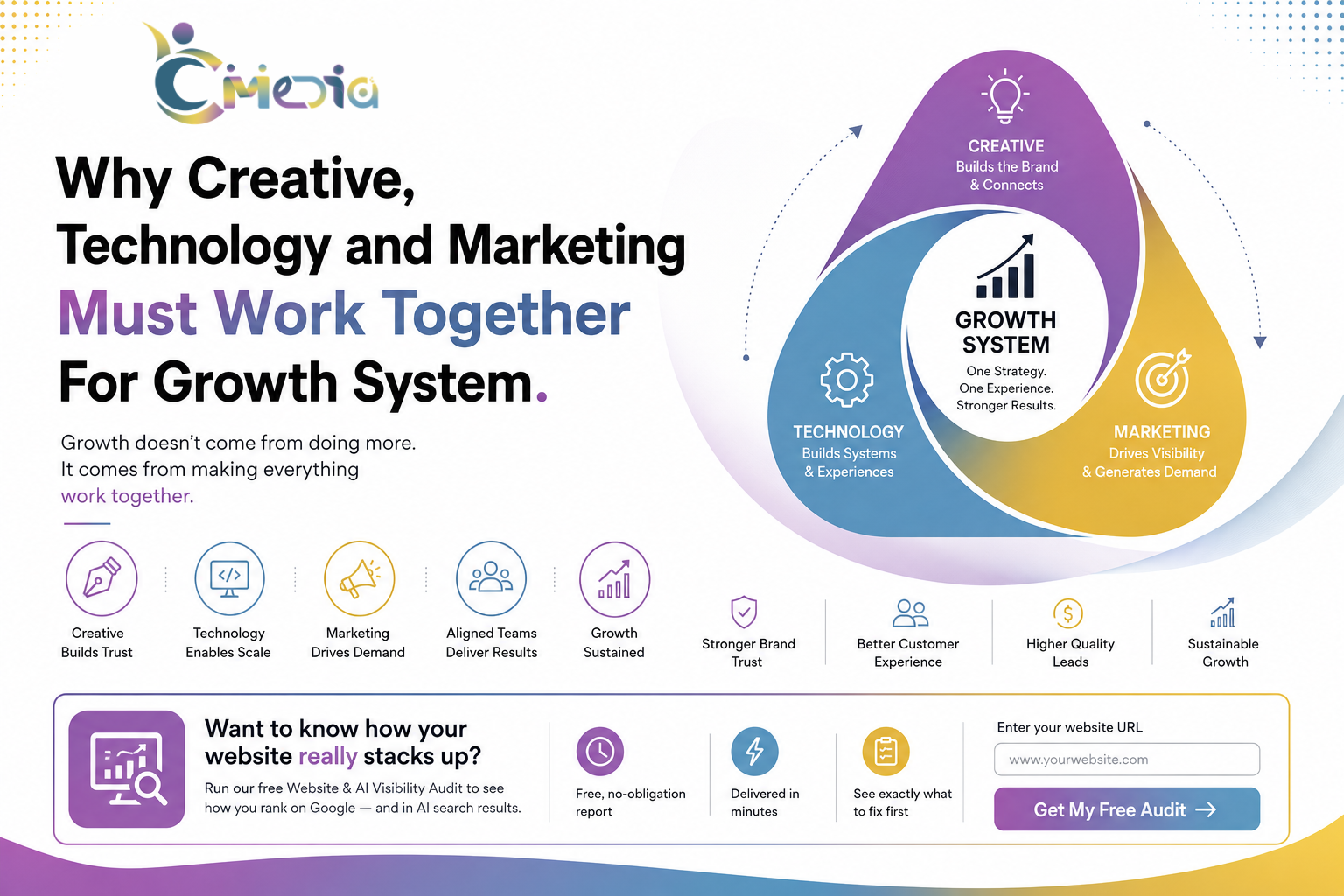
Why Creative, Technology and Marketing Must Work Together For Growth System
Businesses often treat branding, websites, SEO and advertising as separate projects. Discover why integrating creative, technology and marketing creates sustainable business growth.
How B2B Companies Can Thrive Amidst Economic Uncertainty
Economic uncertainty presents both challenges and opportunities for B2B organizations willing to innovate and adapt.
Top Challenges Facing B2B Companies in Australia Today
Australian B2B businesses face unique challenges in today's economic landscape that require strategic adaptation and innovation.
Cross-Border Collaboration: Making the Most of International B2B Events
International B2B events create opportunities for cross-border partnerships that drive business growth and innovation.

Account-Based Marketing: Entice and Delight Your Target Accounts
Account-Based Marketing is a business marketing approach that focuses resources on a specific group of target customers within a market.

Scaling B2B Presence Through Strategic Events: A Complete Growth Strategy
Strategic events are powerful channels for B2B companies to build authority, generate leads, and strengthen customer relationships.
Top Challenges Facing B2B Companies in Australia Today
Australia's B2B landscape has changed dramatically — what once worked for manufacturing, logistics, technology, and professional services is no longer enough.

How B2B Companies Can Thrive Amidst Economic Uncertainty
Building resilience and adapting business strategies enables B2B companies to not just survive but thrive during economic challenges.
Why Should CMOs Use Digital Strategies to Support Account-Based Marketing
B2B marketing leaders are turning to Account-Based Marketing strategies to scale their investments and complement traditional marketing goals.
START GROWING.